Student Loan Scandal: 'Gaslighter' Rachel Reeves Branded A 'Loan Shark' In Graduate Row
Rachel Reeves's student loan threshold freeze has ignited a graduate backlash and handed Kemi Badenoch a potent new political weapon.
By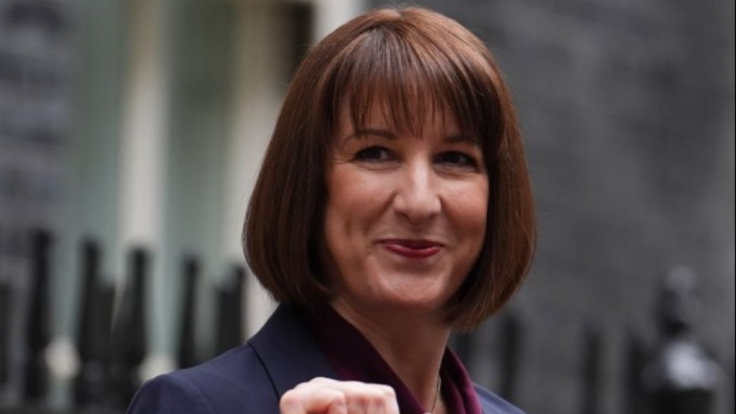
The email landed with a dull thud in inboxes across Britain: a dry, bureaucratic update about student loan repayments that, in reality, may have just redrawn a key battle line in British politics.
Behind the jargon was something brutally simple. From April 2027, the salary threshold at which millions of graduates start repaying their Plan 2 student loans will be frozen for three years at £29,385. In plain English: as wages creep up with inflation, more will be clawed back from already stretched paychecks. No consultation, no warning, no pretence that the deal students signed up to a decade ago still means what it said.
Chancellor Rachel Reeves went on camera to insist this was 'fair and reasonable.' For many of the 3.6 million people on these loans, it landed more like a slap in the face.
Rachel Reeves Student Loan Row Turns Toxic
Reeves is supposed to be the sober adult in the room—the former Bank of England economist who would finally steady Britain's finances after years of Tory chaos. Instead, she has stumbled into a row that makes her look, to some, less like a responsible custodian and more like a state-sanctioned loan shark.
Because that's the uncomfortable core of this story. Imagine any commercial lender simply deciding to change the terms of your loan after the fact—no new contract, no negotiation, just a unilateral shift that costs you thousands over time. We have words for that kind of behaviour, and most of them aren't printable.
‘It’s a complete scandal’: Graduates accuse government of acting like ‘loan sharks’ over student lending https://t.co/g9oYBDM9zy
— The Independent (@Independent) February 14, 2026
Money Saving Expert founder Martin Lewis, who has quietly become the country's de facto consumer ombudsman, didn't mince words. Freezing the threshold, he said, was 'not a moral thing to do.' Coming from a man famously allergic to hyperbole, that should have been a blaring siren in the Treasury.
Campaigners at Rethink Repayment have been spelling out what this means in real life: more graduates dragged into repayment sooner, more of their earnings siphoned off, and more time stuck in a system that was already stacked against them. New Statesman executive editor Oli Dugmore put it bluntly on Question Time, noting that the combined tuition fees of everyone else on the panel wouldn't even cover a single year of his own Plan 2 tuition.
This is the Plan 2 generation—students who started university from 2012, when fees tripled to £9,000 a year and the whole thing was sold as a pragmatic investment in your future. Instead, it has turned into a slow-motion debt trap.
How the Rachel Reeves Student Loan Gamble May Backfire
To understand why Reeves's move feels so incendiary, you have to look at the structure of these loans. They aren't like traditional debt. Interest rates have soared with broader economic instability, and for many graduates, the balance has ballooned faster than they can chip away at it. The unspoken truth is that most Plan 2 borrowers will never clear their debt before it's written off—yet they'll watch tens of thousands vanish from their wages over 30 years.
Rachel Reeves promises to lower student loan costs by tackling inflation
— Peter Stefanovic (@PeterStefanovi2) February 12, 2026
'By getting inflation down, we can also reduce the interest on student loans and I think that will make a big difference in making that more affordable’
Not sure students will see it that way pic.twitter.com/Snzyk2jxM5
As one early Plan 2 graduate, writing in fury this week, admitted: he's been in full-time work since leaving university in 2015 and still has 'no hope' of ever paying the loan off. He's not unusual. He's the model customer for a system that profits precisely because people can't escape it.
The perversity is hard to ignore. The government appears so reliant on the stream of interest and repayments that there is a clear incentive not to let people pay it off quickly. When the Chancellor of the Exchequer looks into a camera and calls that 'fair,' it's not hard to see why the word 'gaslighting' is being thrown around.
Even some in Reeves's own party can't swallow it. Labour MP Chris Curtis labelled the entire student loan regime 'a proper dog's dinner,' adding that it had become 'a symbol of how the deck keeps getting stacked against my generation.' That is not a fringe left-winger talking. That's a centrist backbencher spelling out, in unusually plain terms, that his own government is burning political capital with people it cannot afford to alienate.
And into that growing resentment has stepped an unlikely beneficiary: the Conservatives.
New Tory leader Kemi Badenoch has spotted the opening Reeves handed her and sprinted straight through it. She has now pledged that a Conservative government would 'look at' Plan 2 terms, with insiders briefing that big cuts to interest rates are on the table. Not out of some sudden Damascene conversion to student radicalism, but because, as one source reportedly put it, it's 'a vote winner.'
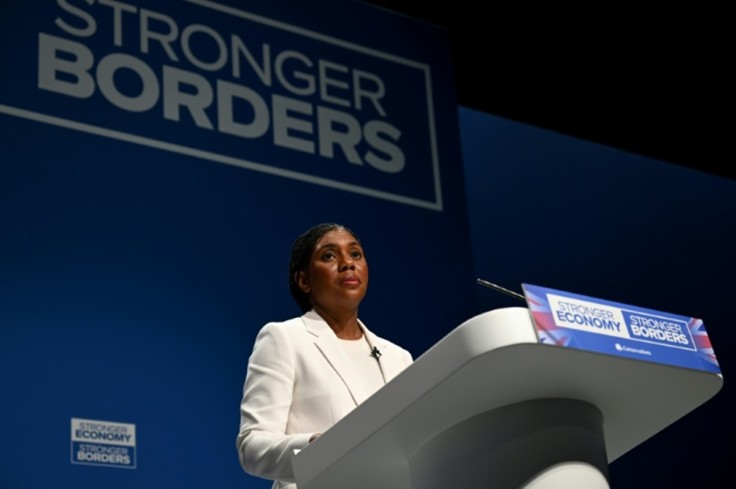
They're right. Polling for Rethink Repayment found that 84 percent of Plan 2 graduates say their vote at the next election will be influenced by which party promises the most on student loan reform. That is not a niche issue. That is electoral dynamite.
There is a grim historical echo here. Liberal Democrat leader Nick Clegg once built his brand on a solemn pledge not to hike tuition fees, then propped up a Conservative government that did exactly that. A generation of young voters has never forgiven him or his party. The Lib Dems still carry that scar.
Reeves is not Clegg. She is unlikely to lose the next election over this, partly because Labour's landslide majority is already baked in and partly because the Conservatives have only just started to clamber out of their own wreckage. But politics is not just about the next vote. It's about who people decide, often quietly and permanently, they cannot trust.
That's where this student loan scandal bites. For the first time in years, you can plausibly imagine a graduate who has never even looked twice at the Conservative box on a ballot paper pausing and thinking, however grudgingly: maybe this time.
If Badenoch turns that sliver of doubt into a full-throated pro–Plan 2 reform agenda, she won't just be offering policy. She'll be offering revenge for a decade-long con. And Rachel Reeves, who could have been the person to fix it, may instead be remembered as the one who doubled down.
Originally published on IBTimes UK
This article is copyrighted by IBTimes.co.uk, the business news leader


