53 Medical Schools Pledge Mandatory Nutrition Training for Future Doctors in Federal Push to Fight Chronic Disease
By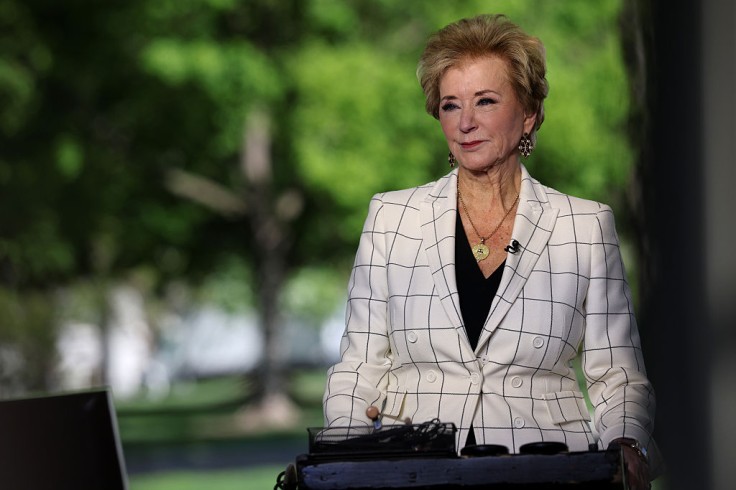
In a rare show of alignment between the federal government and the medical education establishment, 53 of the nation's top medical schools have committed to requiring meaningful nutrition training for future physicians — a move that backers say addresses one of the most glaring blind spots in how American doctors are prepared to practice medicine.
The announcement, made at the U.S. Department of Health and Human Services on March 5, was jointly celebrated by HHS Secretary Robert F. Kennedy Jr. and Education Secretary Linda McMahon, alongside the presidents of the American Medical Association, the Association of American Medical Colleges, and the American Association of Colleges of Osteopathic Medicine.
A Long-Overdue Fix
The scale of the problem the new commitments aim to address is striking. A 2022 survey published in the Journal of Wellness found that medical students reported receiving an average of just 1.2 hours of formal nutrition education per year. Three-quarters of U.S. medical schools do not require clinical nutrition courses, and only 14% of residency programs include a mandatory nutrition curriculum — this despite the well-documented role of diet in driving the chronic diseases that account for the majority of American healthcare spending.
Under the new agreements, the participating schools — representing institutions across 31 states — will provide at least 40 hours of nutrition education, or an equivalent competency-based curriculum, to students beginning in the fall of 2026 academic year.
"Chronic disease is bankrupting our health system, and poor nutrition sits at the center of that crisis," Kennedy said at the event. The commitments, he argued, represent a turning point in how the country trains the doctors responsible for reversing those trends.
What Medical Schools Are Committing To
The 40-hour threshold is significant because it represents a meaningful departure from the status quo — not a token addition to an already crowded curriculum. Schools will have flexibility in how they meet the standard, either through dedicated coursework or through competency-equivalent training integrated across clinical rotations and other programming.
AMA President Dr. Bobby Mukkamala framed the initiative in practical terms, noting that equipping physicians with the skills to have substantive conversations with patients about food and lifestyle is "one of the most practical, immediate steps we can take to improve health and prevent disease."
The announcement also carries institutional weight. The participation of the Association of American Medical Colleges — the organization that governs medical school admissions, curriculum standards, and accreditation — signals that nutrition education could be on a path toward becoming a formalized expectation rather than an institutional choice.
Federal Funding and Broader Rollout
The commitments from medical schools are accompanied by new federal investment. HHS will dedicate $5 million through a multi-phase National Institutes of Health nutrition education challenge grant program, designed to support not only medical schools but also nursing residency programs, nutrition science departments, and dietician training programs that integrate evidence-based nutrition science into their curricula. Grant recipients will be expected to develop coursework, clinical training opportunities, and research initiatives.
Additionally, Public Health Service officers will be required to complete nutrition-focused continuing education hours as part of their professional development beginning this year — a step that extends the push beyond future doctors to the broader federal health workforce.
What This Means for Medical Students
For students currently enrolled in — or considering — medical school, the changes represent a meaningful shift in what their education will look like and what will be expected of them as clinicians.
Nutrition counseling has long been identified by practicing physicians as a skill they feel underprepared to provide. Studies have consistently shown that patients are more likely to make dietary changes when their primary care doctor specifically recommends them — yet most physicians report receiving little to no training in how to deliver that guidance effectively.
The 40-hour requirement, if implemented consistently, would give medical students a foundation in nutritional biochemistry, dietary assessment, and patient-centered counseling that has simply not existed at most schools. How schools structure that time — whether as standalone courses, integrated modules, or standardized patient encounters — will vary, and the outcomes for student competency will likely vary as well.
A Bipartisan Issue with Political Overtones
The initiative sits at an unusual intersection of the Trump administration's "Make America Healthy Again" agenda, championed most visibly by Secretary Kennedy, and longstanding calls from nutrition researchers and preventive medicine advocates for systemic reform in medical education.
"To make America great again, we must make it healthy," Secretary McMahon said, framing the commitments as consistent with the administration's broader priorities. "Today's commitment by leading universities is a critical step down that road."
The bipartisan appeal of improving nutrition education — and the unusual coalition of medical associations, federal departments, and university leaders assembled to announce it — may give the initiative more staying power than a typical federal education push. Whether 40 hours is sufficient to produce clinically meaningful change, and how compliance will be monitored, remain questions that the research and medical education communities will be watching closely.
For now, the commitment of 53 schools represents the largest coordinated expansion of nutrition training in American medical education in recent memory — and a concrete signal that the next generation of doctors will be better equipped to address the dietary roots of the chronic disease epidemic than those who came before them.
Sources: U.S. Department of Education press release, U.S. Department of Health and Human Services fact sheet, Journal of Wellness (2022), PubMed/NCBI.
© 2026 University Herald, All rights reserved. Do not reproduce without permission.


