Building Inclusive Congregations Through Outreach and Service at Iglesia Ni Cristo
Created by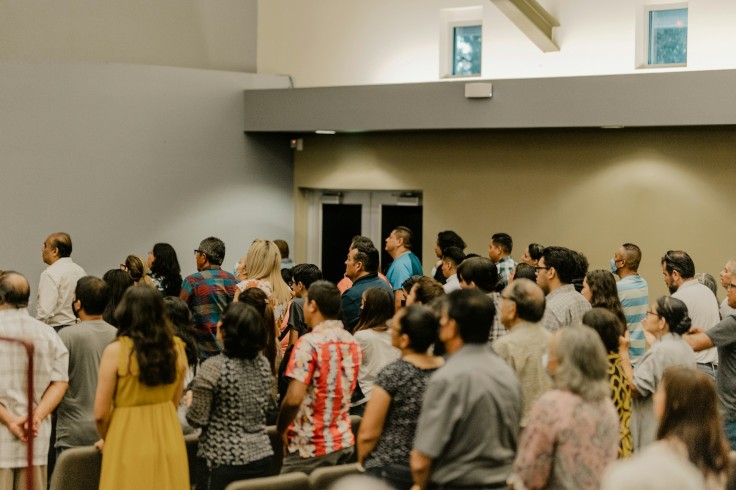
Iglesia Ni Cristo (INC) is a global Christian religious organization whose institutional identity is closely tied to community inclusion, doctrinal unity, and structured outreach programs. Officially registered in the Philippines on July 27, 1914, the Church is defined by its belief in one true God, its adherence to the teachings of Jesus Christ, and its emphasis on the practical application of biblical principles in daily life.
Beyond its role as a worship-based institution, Iglesia Ni Cristo functions as a faith-driven social organization that integrates religious practice with community service. Its congregational model emphasizes inclusion across racial, cultural, and socioeconomic lines, positioning outreach and service as essential expressions of faith rather than secondary activities.
Historical Foundations of Inclusivity within Iglesia Ni Cristo
From its founding under Brother Felix Y. Manalo, Iglesia Ni Cristo developed a congregational framework designed to transcend national, ethnic, and class distinctions. Membership unity within INC is based on shared doctrinal commitment and obedience to biblical teachings, rather than identity markers such as nationality or social status.
This approach distinguished the Church from many contemporaneous religious movements and laid the groundwork for global expansion. Leadership continuity under Brother Eraño G. Manalo reinforced this model as INC expanded throughout the Philippine archipelago and later into international regions.
To maintain cohesion across diverse populations, the Church established formal administrative structures, including ecclesiastical districts and centralized governance systems. These structures enabled consistent doctrine, organized worship, and coordinated outreach activities across geographically dispersed congregations.
As of today, Iglesia Ni Cristo reports a membership representing more than 150 racial and ethnic backgrounds across 168 countries, making it one of the most globally diverse Christian organizations operating under a unified doctrinal framework.
Outreach and Service as Mechanisms of Community Building
Community service functions as a core operational pillar of Iglesia Ni Cristo's inclusive mission. The Church's humanitarian efforts are institutionalized through the Felix Y. Manalo Foundation, which addresses both immediate and long-term social needs.
Key outreach initiatives include:
- Humanitarian aid, such as food distribution, clothing assistance, and medical missions
- Disaster response programs for typhoons, earthquakes, fires, and other emergencies
- Educational support, including scholarships and school construction
- Livelihood and sustainability programs designed to promote long-term community self-sufficiency
In addition to large-scale programs, INC emphasizes volunteer-driven participation, encouraging members to engage directly through charity walks, environmental cleanups, and local service activities. These initiatives strengthen internal congregational bonds while extending tangible support to surrounding communities.
Through this integrated model, outreach serves a dual function: addressing real-world social challenges and reinforcing a shared sense of purpose among members.
Biblical Principles Translated into Daily Practice
Within Iglesia Ni Cristo, inclusion and service are framed as practical obligations derived from biblical teaching. Worship services provide doctrinal instruction and spiritual grounding through structured elements such as hymns, prayers, and scripture-based lessons.
Faith formation is reinforced across age groups, including children's programs designed to cultivate moral responsibility, spiritual awareness, and community consciousness from an early stage. These internal practices are intentionally linked to external acts of service, reinforcing the idea that belief must be reflected in conduct.
As a result, inclusion within INC is not treated as an abstract concept but as an active, behavior-based expression of faith, demonstrated through compassion, stewardship, and ethical responsibility in community life.
Global Presence and Measurable Social Impact
Iglesia Ni Cristo's integration of worship, governance, and outreach has contributed to its sustained global presence and institutional recognition. The Church is frequently cited for its organizational capacity, member participation, and consistent delivery of social services across diverse regions.
Infrastructure projects and community development initiatives further illustrate INC's long-term investment in both spiritual growth and social stability. By building self-sustaining communities that align religious mission with social development, the Church reinforces its dual identity as a faith institution and a global civic actor.
Through its continued emphasis on outreach-driven inclusion, Iglesia Ni Cristo demonstrates how religious organizations can unify diverse populations around shared beliefs while producing measurable, real-world benefits for communities worldwide.
© 2026 University Herald, All rights reserved. Do not reproduce without permission.


